Ages & stages · calculator
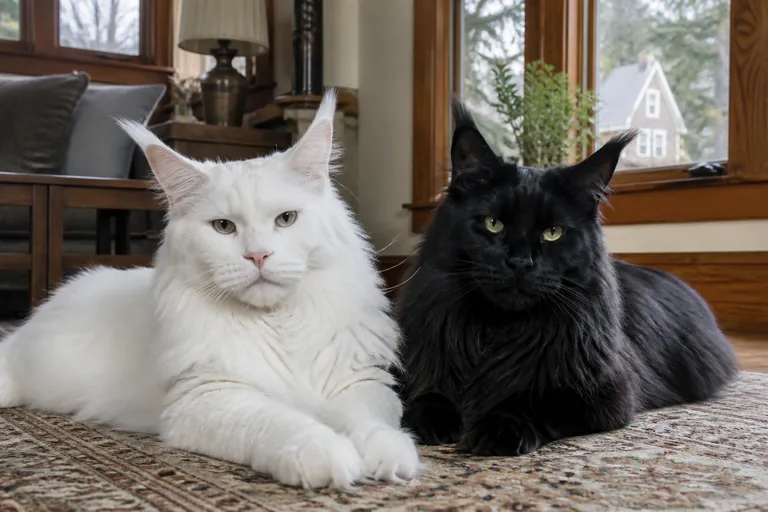
How old is my cat in human years?
Age one is about 15; age ten is about 56. Put the number into the kitten, young adult, mature, and senior stages.
Try the cat age calculator →Field Notes · behavior, age & pet technology
How old is a one-year-old dog? Why does a cat knead? Is that tiny sleeping paw dreaming? Start with a delightful question, then keep going with clear answers, honest limits, and useful little tools.
Media note: Field Notes illustrations are creative visuals—not photographs of real customers, product tests, homes, locations or observed animal behavior, and not factual evidence.
Featured · includes a calculator
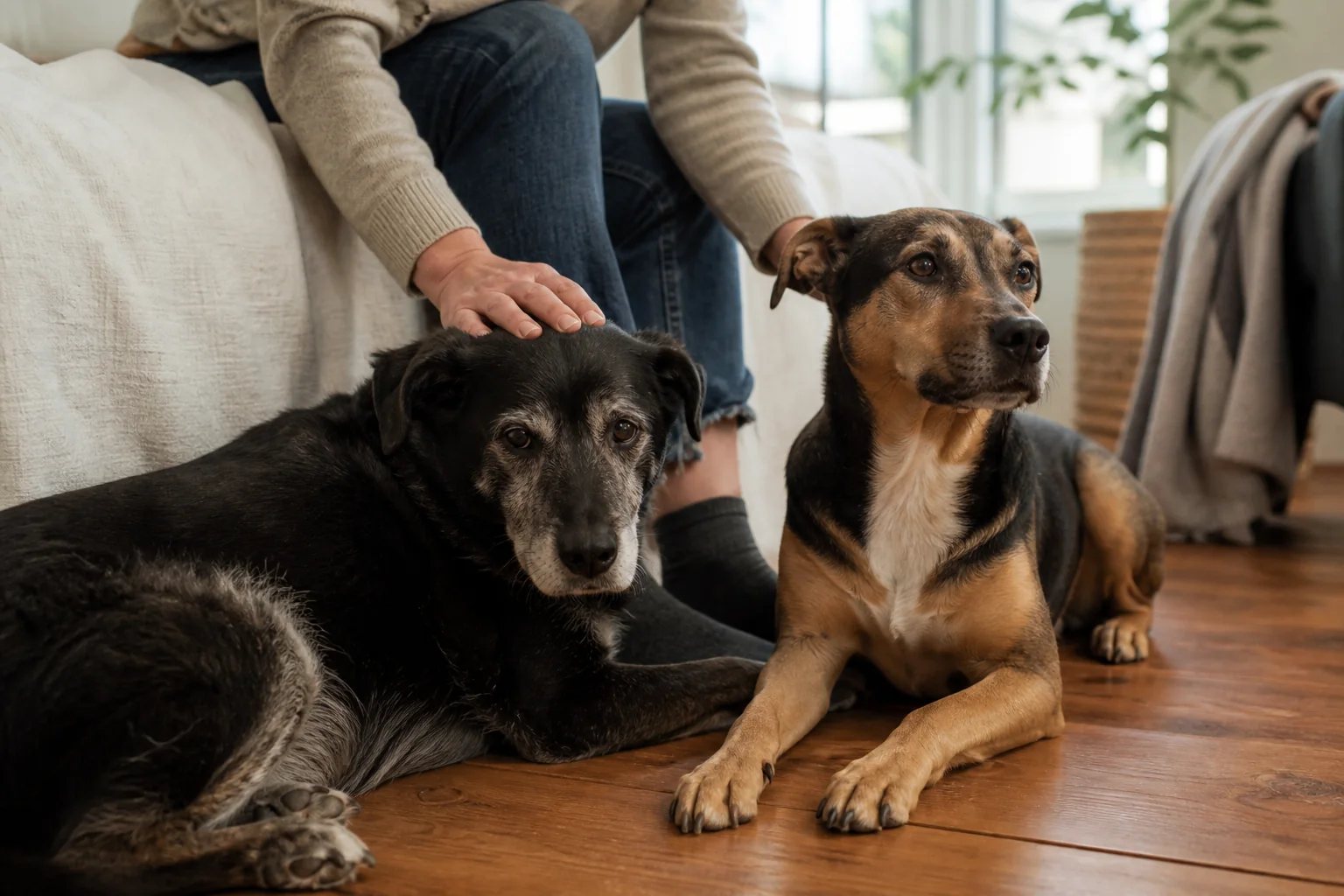
Forget “multiply by seven.” Use adult size and actual age for a better estimate, then see what the number can—and cannot—tell you.
Try the dog age calculatorThe new curious series
Each note gives a direct answer, keeps the uncertainty that matters, and ends with something useful in a real home.
Ages & stages · calculator
Age one is about 15; age ten is about 56. Put the number into the kitten, young adult, mature, and senior stages.
Try the cat age calculator →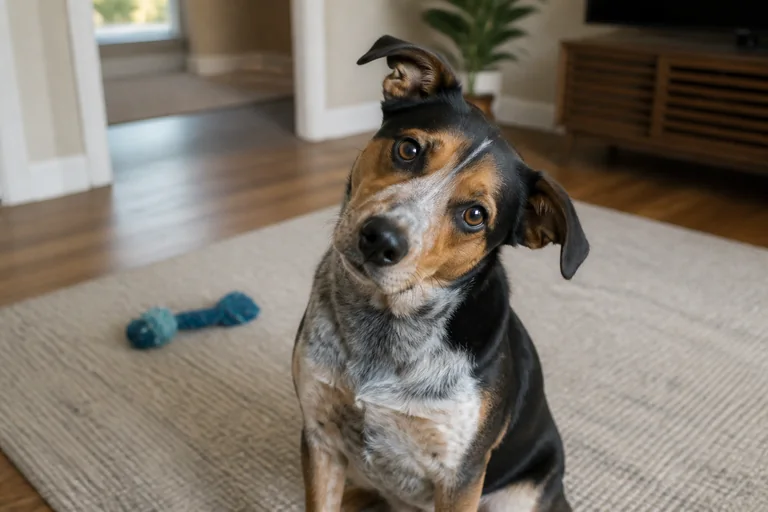
Dog behavior · a small science story
They may be processing a meaningful sound, adjusting hearing or vision, or repeating a move that reliably earns attention.
See what the study found →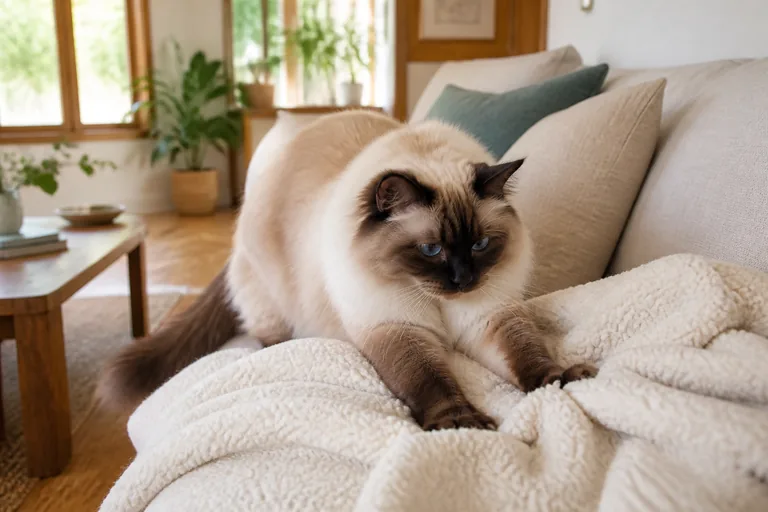
Cat behavior · making biscuits
The motion begins in kittenhood and may become part of comfort, settling to sleep, scent marking, and close interaction.
Meet the four-pawed baker →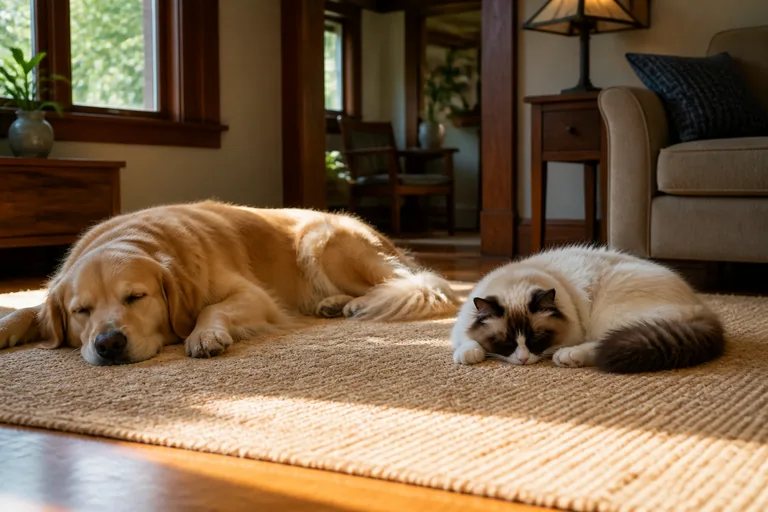
Sleep · REM & tiny twitches
Very likely. Learn what REM sleep tells us, what small movements often mean, and which signs should not be dismissed as dreaming.
Read the quiet sleep note →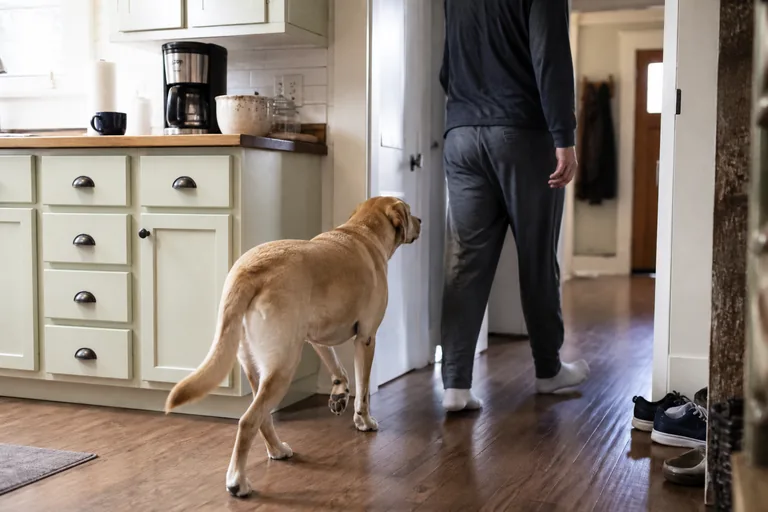
Dog behavior · attachment & routine
Closeness, routine, rewards, and distress can all lead to following. A simple room-exit check helps show whether your dog settles easily.
Read the little shadow →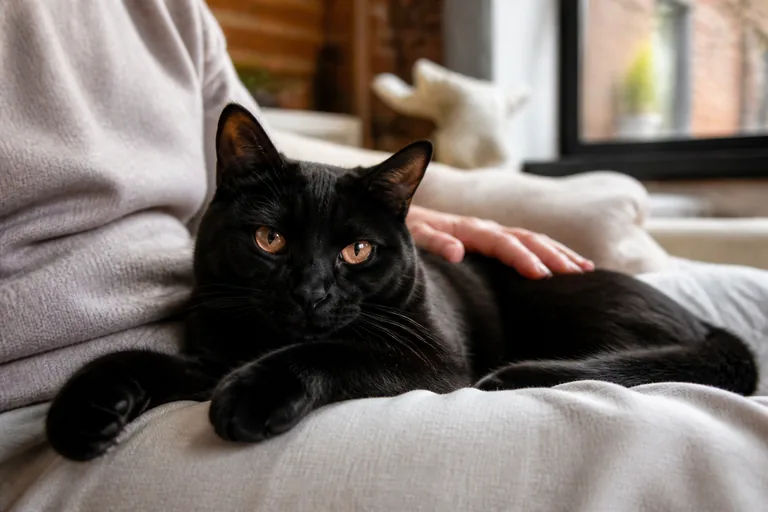
Cat sounds · not only happiness
Purring can appear with comfort, requests, stress, or pain. The sound is not an emotion label; body and context complete the picture.
Read the context around the purr →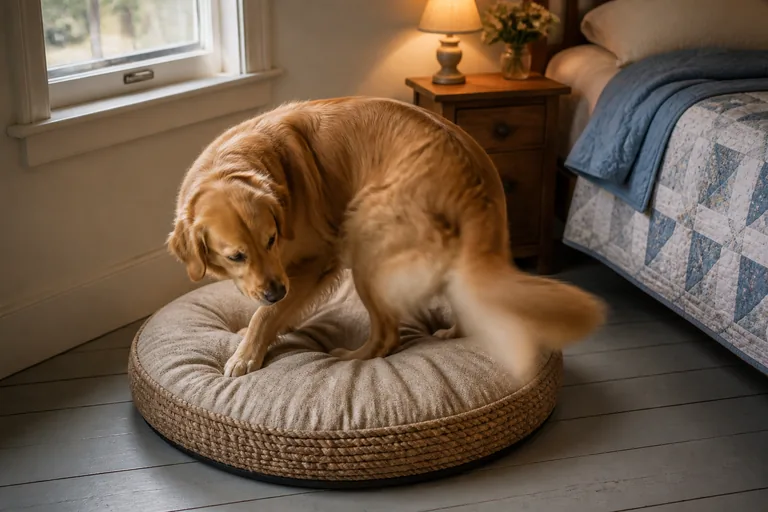
Dog bedtime · comfort & habit
Preparing a resting spot and habit are plausible. The useful distinction is between a brief ritual and repeated, difficult, or painful circling.
Follow the bedtime circle →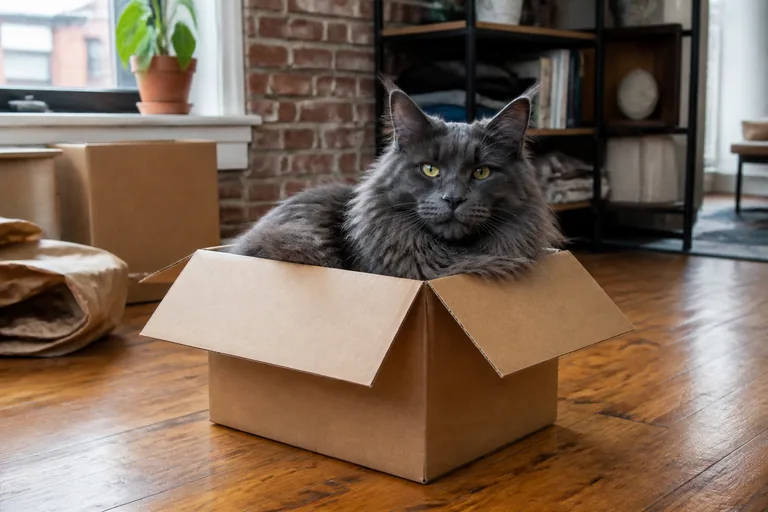
Cat environment · simple shelter
Cover, boundaries, scent, and choice can all make a box appealing. See what shelter studies found and how to set one up safely.
Unbox the answer →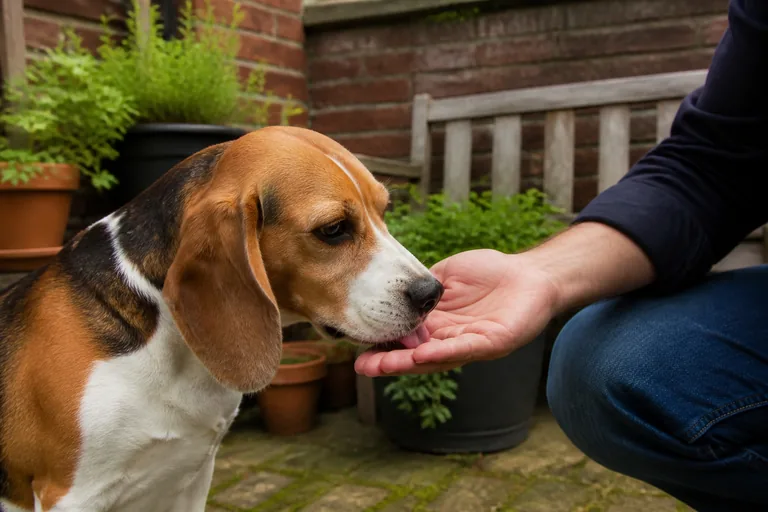
Dog behavior · taste & attention
It may be social contact, skin taste, a request, or a learned habit. A four-part log is more useful than one “dog kiss” answer.
Read the lick in context →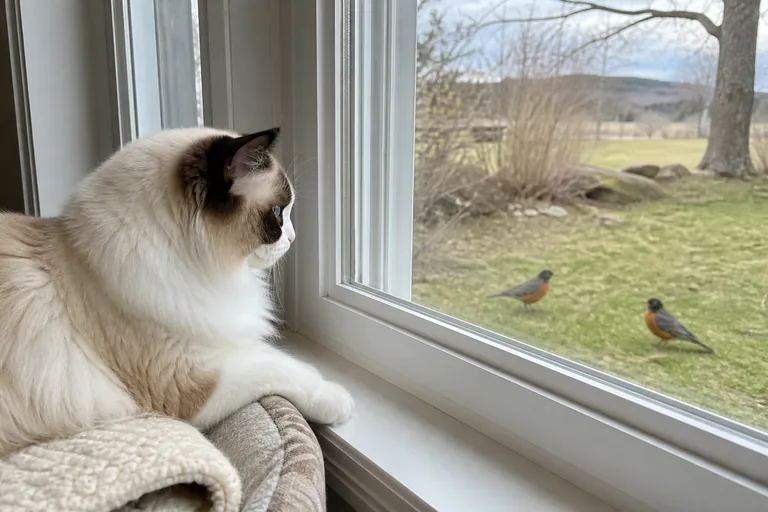
Cat sounds · window watching
The sound accompanies intense predatory interest, but sound alone cannot separate excitement, frustration, or another state.
Listen to the window chatter →Go a little deeper